Why CBD Skincare Is More Than a Trend: What the Science Says
For years I watched the skincare aisle fill with buzzy ingredients that promised the moon but delivered little more than a pretty label. So when CBD started showing up in serums and balms and bath bombs, I was skeptical. Another plant extract riding a wave of hype, I figured. But the more I looked into the science behind cannabidiol and how it interacts with our bodies, the more I realized that cbd skincare is not just a marketing angle. It is a genuinely different approach to supporting the skin, especially for people dealing with sensitivity, redness, or chronic inflammation.
The Skin as a Sensory Organ
We tend to think of skin as a passive barrier, just something that keeps our insides in and the outside out. But it is far more active than that. The skin is packed with receptors that communicate directly with the nervous system. Among those receptors are the ones that make up the endocannabinoid system, a network of signaling molecules and receptors that helps regulate pain, mood, inflammation, and even cell turnover. The same system that influences how you feel after a good workout or a stressful day is also working in your skin.
That is where CBD comes in. Cannabidiol, when applied topically, interacts with these receptors without producing the psychoactive effects associated with THC. It can help calm overactive immune responses, reduce the production of inflammatory cytokines, and encourage balance in the skin's natural processes. For anyone who has tried a dozen creams for reactive skin and gotten nowhere, this mechanism offers a real alternative.
What Makes a Good CBD Skincare Product
Not all CBD is created equal, and that matters a lot when you are putting it on your face or body. The hemp plant contains dozens of cannabinoids, terpenes, and other compounds that work better together than in isolation. This is often called the entourage effect. A product made with full-spectrum CBD includes a range of these compounds, while broad-spectrum CBD keeps most of them but may filter out trace THC. CBD isolate, on the other hand, is just the single molecule, which can be less effective for skin concerns because it lacks the supporting plant chemistry.
When I read labels now, I look for a few things. First, is the CBD derived from hemp grown responsibly? Second, does the product list the type of CBD used? And third, how is it formulated? CBD needs carrier oils to absorb through the skin barrier effectively. If a serum is water-based with no oil phase, the CBD may sit on the surface and do very little. Look for products that combine CBD with carrier oils like jojoba, MCT, or hemp seed oil, which not only help delivery but also support the skin barrier themselves.
Many good CBD balms and creams also incorporate shea butter, aloe vera, and vitamin E. These ingredients have their own soothing and antioxidant properties, and they pair naturally with CBD. Shea butter provides deep moisture and helps lock in the active compounds. Aloe vera cools and hydrates. Vitamin E protects against oxidative stress. Together they create a formulation that feels substantial on the skin, not watery or tacky.
Inflammation and the Skin Barrier
Chronic low-grade inflammation is one of the most common underlying issues in modern skin complaints. Environmental stressors, diet, sleep disruption, and even stress itself can keep the skin in a state of heightened alert. Over time, that wears down the skin barrier, the thin protective layer that keeps moisture in and irritants out. When the barrier is compromised, everything stings, redness spreads, and breakouts become more frequent even if you never had acne before.
Topical application of CBD has been shown in research to reduce inflammation at the site of application. It does not just mask the sensation; it modulates the cellular signals that produce redness and swelling. That is a meaningful difference from a soothing cream that simply cools the skin temporarily. Because the endocannabinoid system is involved in regulating the immune response in skin cells, CBD can help break the cycle of inflammation and barrier damage.
Antioxidants also play a role here. CBD itself is a powerful antioxidant, but it works even better when combined with other antioxidants like vitamin E or green tea extract. Free radicals from UV exposure and pollution break down collagen and weaken the skin structure. By neutralizing those free radicals, CBD and its partner ingredients help preserve the skin's resilience.
Practical Experience: What I Have Seen Work
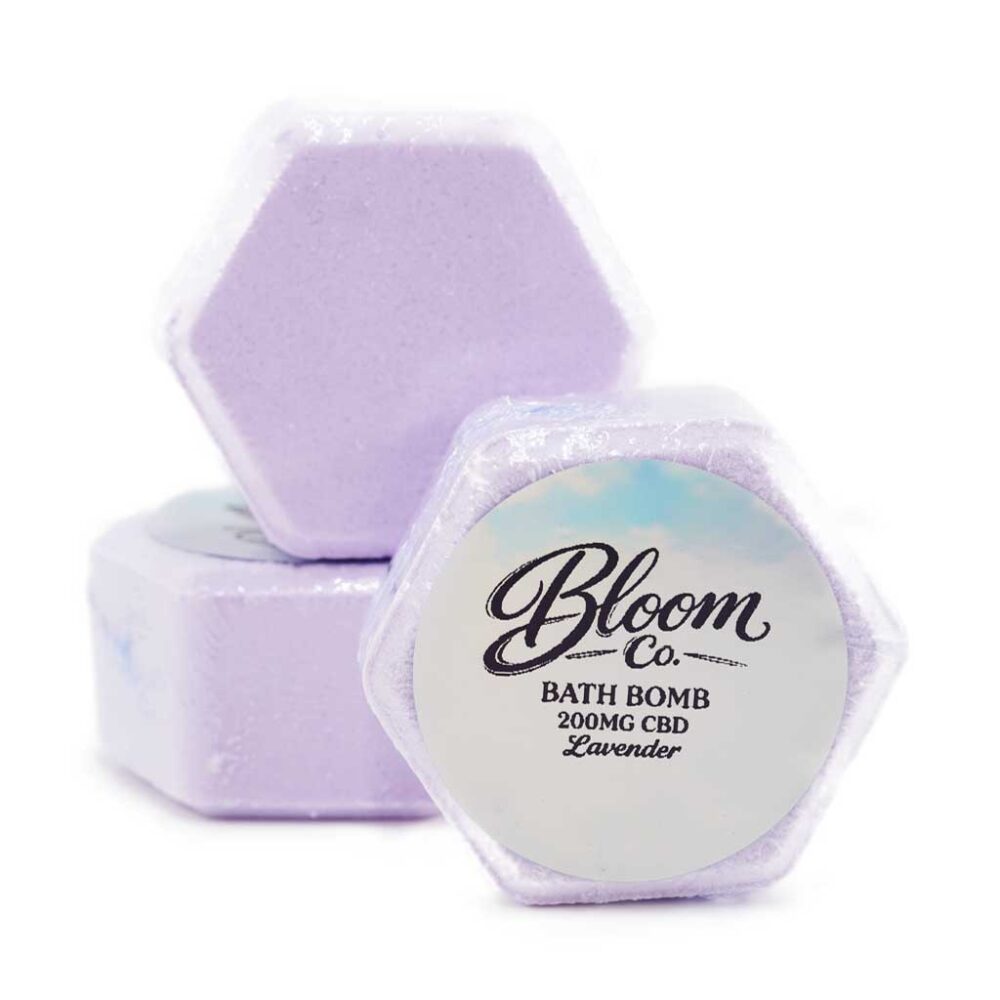
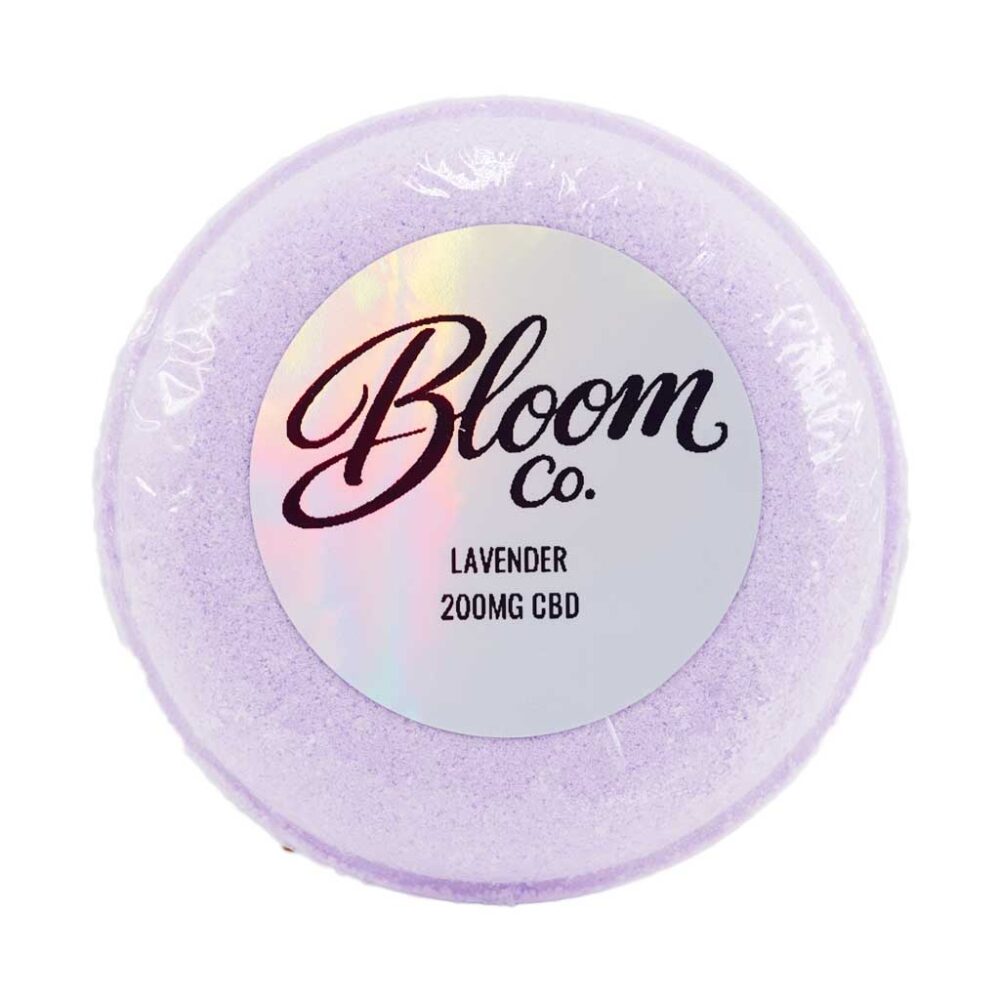
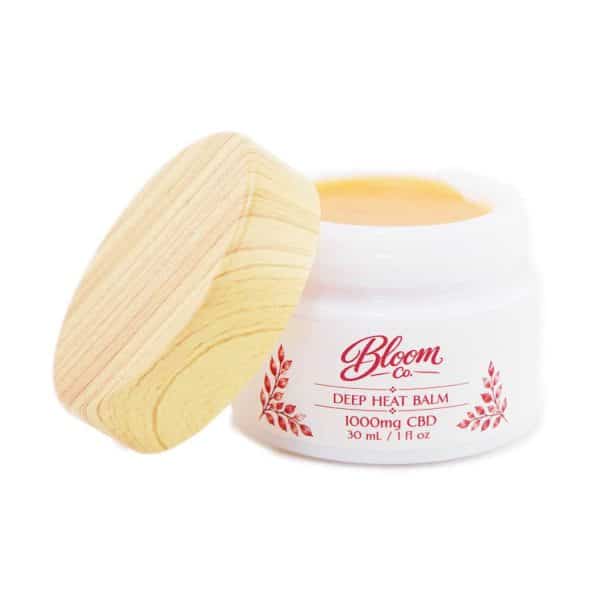
I have used cbd skincare in several forms over the past couple of years. A CBD balm with shea butter and chamomile has been my go-to for dry patches on my hands during winter. It sinks in quickly and does not leave a greasy film. A friend with rosacea tried a CBD serum with aloe vera and niacinamide and reported less redness after two weeks of nightly use. Another person I know uses a CBD bath bomb once a week for full-body relaxation, and while the benefits there are partly about the ritual and the Epsom salts, she says her skin feels calmer and less itchy afterward. CBD bath bombs often contain essential oils and carrier oils that complement the CBD, so the whole experience feels intentional rather than gimmicky.
I have also seen people use CBD vape pens for stress relief, and while that is a different delivery method entirely, the connection is interesting. Stress directly affects the skin barrier through cortisol and other hormones. If a person finds that a few puffs of a CBD vape pen help them reset during a tense afternoon, that may indirectly benefit their skin by reducing the systemic stress load. The link between mental state and skin condition is real and well documented.
What to Watch Out For
Not every product on the shelf is worth your money. Some companies add a minuscule amount of CBD just to put the word on the label. Others use isolate when a full or broad-spectrum extract would be more effective. And because the CBD market is still less regulated than conventional cosmetics, you can encounter products that claim to contain CBD but actually have none, or have less than advertised. Buying from a reputable source matters. KushStation, for example, focuses on CBD products and provides clear information about sourcing and formulation. That kind of transparency is not universal yet.
It is also worth considering your own skin type. People with very oily skin might prefer a lightweight CBD gel or serum over a rich balm. Those with dry or mature skin often benefit from the heavier base of shea butter or cocoa butter. And if you have never used CBD on your skin before, patch testing is still a good idea, especially if you have allergies to plants in the hemp family.
The Bigger Picture
What draws me to cbd skincare is not the novelty. It is the way the ingredient aligns with how the body actually works. Instead of trying to force a change from the outside, it supports the endocannabinoid system that is already regulating skin health. That is a more respectful and sustainable approach than stripping or shocking the skin with harsh active ingredients. It does not mean CBD replaces everything in your routine, but it can fill a gap that many other products miss.
If you are dealing with persistent redness, dryness, or sensitivity, or if you just want something that soothes without sedating, a well-made CBD balm or serum is worth trying. Look for full-spectrum or broad-spectrum CBD, paired with quality carrier oils and complementary botanicals. And remember that consistency matters. Using a product once will not undo years of barrier damage, but over a few weeks, the shift can be noticeable. That is the kind of change that keeps me coming back to these formulations, not because they are trendy, but because they actually do something.